

Decoding Air-Fuel Ratios: Lean vs. Rich Explained
At the heart of P0171 and P0172 lies the concept of the air-fuel ratio (AFR). For gasoline engines, the ideal AFR, known as the stoichiometric ratio, is approximately 14.7 parts air to 1 part fuel by mass. Achieving this perfect balance ensures complete combustion, maximizing power output, minimizing fuel consumption, and reducing harmful emissions.
Understanding the Stoichiometric Sweet Spot
The engine's computer (PCM/ECM) continuously monitors the exhaust gases via oxygen (O2) sensors and, in some modern vehicles, air-fuel ratio (AFR) sensors. These sensors provide feedback, allowing the PCM to make real-time adjustments to fuel injector pulse width, ensuring the AFR remains as close to 14.7:1 as possible. This constant adjustment process is reflected in what technicians call "fuel trims."
What Happens in a Lean Condition (P0171)?
A P0171 code signifies that the engine is running "too lean" on Bank 1. This means the combustion mixture contains too much air or not enough fuel. When the upstream oxygen sensor detects an abnormally high level of oxygen in the exhaust, it signals to the PCM that the mixture is lean. The PCM then tries to compensate by adding more fuel, which you'll see as positive fuel trim values on a scan tool. Bank 1 typically refers to the side of the engine containing cylinder #1. On inline engines, there is usually only one bank.
Driving with a persistent lean condition can be detrimental. Excess oxygen causes higher combustion temperatures, which can lead to engine overheating, premature wear of internal components (like pistons and valves), and even damage to the catalytic converter. Symptoms often include engine hesitation, a rough idle, reduced power, misfires, and sometimes a whistling sound from the engine bay due to vacuum leaks.
What Happens in a Rich Condition (P0172)?
Conversely, a P0172 code indicates a "too rich" condition on Bank 1. In this scenario, the engine is receiving too much fuel or not enough air for complete combustion. The oxygen sensor detects a low oxygen content in the exhaust, signaling to the PCM an overly rich mixture. The PCM attempts to correct this by reducing fuel delivery, which will be reflected as negative fuel trim values.
While often less immediately destructive than a severe lean condition, a rich mixture leads to significant inefficiencies. You might notice symptoms like poor fuel economy, a strong smell of raw gasoline from the exhaust, black smoke emanating from the tailpipe, fouled spark plugs, and a reduction in overall engine power. Persistent rich conditions can also damage the catalytic converter by overwhelming it with unburned fuel, leading to costly repairs.

Your engine's check engine light signals when the air-fuel ratio needs attention.
Understanding Engine Banks: What is "Bank 1"?
When dealing with P0171 or P0172, you'll notice the term "Bank 1." This designation is crucial for proper diagnosis, especially in vehicles with V-type engines (V6, V8, V10, etc.).
Identifying Bank 1 and Bank 2
On V-engines, there are two distinct banks of cylinders. "Bank 1" always refers to the side of the engine that contains cylinder #1. The exact location of cylinder #1 can vary by manufacturer, but it's typically determined by checking the firing order or vehicle service manual. "Bank 2" is the opposite side of the engine. Inline four-cylinder engines, for example, typically have only one bank, so codes like P0171 or P0172 would refer to the entire engine's air-fuel mixture.
If your vehicle has a V-type engine, you might encounter corresponding codes for Bank 2, such as P0174 (System Too Lean, Bank 2) or P0175 (System Too Rich, Bank 2). Observing which bank is affected helps narrow down the potential source of the problem, allowing you to focus your inspection on specific components or areas of the engine.
Telltale Symptoms of Air-Fuel Imbalances
Before you even connect a scan tool, your vehicle often provides clues that something is amiss with its air-fuel mixture. Recognizing these symptoms can help you determine whether you're facing a lean or rich condition.
Symptoms of a Lean Condition (P0171)
- Hesitation or Stumbling: You might notice the engine briefly losing power or struggling during acceleration, especially when pressing the gas pedal quickly.
- Rough Idle: The engine may feel shaky, vibrate excessively, or have an uneven rhythm while idling. This can sometimes be accompanied by a whistling or hissing sound if a vacuum leak is present.
- Lack of Power: The vehicle might feel sluggish, particularly when climbing hills or carrying heavy loads.
- Engine Misfires: A lean mixture can cause incomplete combustion, leading to noticeable misfires.
- Hard Starting: Especially in cold weather, a lean condition can make the engine difficult to start.
- Audible Knocking or Pinging: High combustion temperatures from a lean mixture can lead to pre-ignition or detonation, causing metallic knocking sounds.
Symptoms of a Rich Condition (P0172)
- Strong Fuel Smell: A noticeable odor of raw gasoline, particularly from the exhaust, is a classic sign of a rich mixture.
- Black Smoke from Exhaust: Unburned fuel can produce black or dark smoke from the tailpipe.
- Poor Fuel Economy: The engine consumes more fuel than necessary, leading to significantly reduced miles per gallon (MPG).
- Fouled Spark Plugs: Excess fuel can deposit carbon onto spark plugs, causing them to appear black and sooty when inspected.
- Reduced Engine Performance: While not as severe as lean conditions, a rich mixture can still lead to a loss of power and sluggish acceleration.
- Engine Surging or Stalling: The engine may run erratically or even stall, especially when warm.
Common Causes Behind Air-Fuel Imbalances
Both lean and rich conditions stem from an incorrect proportion of air and fuel entering the engine. However, the specific components and systems involved differ significantly between the two. Understanding these common culprits is crucial for effective troubleshooting.
Primary Causes of P0171 (System Too Lean)
A lean condition typically means that either too much unmetered air is entering the engine, or there isn't enough fuel being delivered to the combustion chambers. Here are the most frequent causes:
- Vacuum Leaks: This is by far one of the most common causes. Leaks in vacuum lines, intake manifold gaskets, PCV (Positive Crankcase Ventilation) hoses, brake booster hoses, or even a cracked intake boot after the Mass Air Flow (MAF) sensor allow unmeasured air to enter the engine. The PCM doesn't account for this extra air, leading to a lean mixture.
- Faulty Mass Air Flow (MAF) Sensor: A dirty or failing MAF sensor can incorrectly report the amount of air entering the engine. If it under-reports airflow, the PCM will inject too little fuel, resulting in a lean condition.
- Fuel Delivery Issues:
- Weak Fuel Pump: A failing fuel pump may not deliver adequate fuel pressure or volume, starving the engine of fuel.
- Clogged Fuel Filter: A restricted fuel filter reduces fuel flow to the injectors.
- Clogged Fuel Injectors: Injectors can become partially clogged over time, preventing them from spraying enough fuel into the cylinders.
- Exhaust Leaks: An exhaust leak located before the upstream oxygen sensor can draw in outside air. This "false air" fools the oxygen sensor into reading a lean condition, causing the PCM to add more fuel unnecessarily.
- Faulty Oxygen (O2) or Air-Fuel Ratio (AFR) Sensor: While often reporting the issue, a biased or failing O2/AFR sensor can send incorrect readings to the PCM, leading it to misadjust fuel trims.
- Faulty MAP Sensor (Manifold Absolute Pressure): An inaccurate MAP sensor reading can cause the ECU to miscalculate engine load, impacting fuel delivery and potentially leading to a lean mixture.
Primary Causes of P0172 (System Too Rich)
A rich condition typically arises when too much fuel is being delivered to the engine, or there isn't enough air for the amount of fuel being injected.
- Leaking Fuel Injectors: This is a very common cause. An injector that is stuck open or partially leaking will continuously dump excess fuel into the cylinder, enriching the mixture.
- High Fuel Pressure: A faulty fuel pressure regulator or a problem in the fuel return system can lead to excessively high fuel pressure, forcing more fuel through the injectors than intended.
- Dirty or Faulty Mass Air Flow (MAF) Sensor: If a dirty MAF sensor inaccurately reports more air entering the engine than there actually is, the PCM will command more fuel, leading to a rich mixture.
- Clogged Air Filter: A severely restricted air filter limits the amount of air available for combustion, resulting in a rich mixture if fuel delivery remains constant.
- Problem with EVAP System (Evaporative Emission Control): A stuck-open purge valve in the EVAP system can allow excessive fuel vapors to enter the intake manifold, enriching the mixture, especially at idle.
- Faulty Engine Coolant Temperature (ECT) Sensor: If the ECT sensor incorrectly reports that the engine is colder than it actually is, the PCM will enrich the fuel mixture (as it does during cold starts), leading to a persistent rich condition.
- Faulty Oxygen (O2) or Air-Fuel Ratio (AFR) Sensor: A biased O2/AFR sensor that consistently reports a rich condition (when it's actually normal) could cause the PCM to reduce fuel, but a sensor incorrectly reporting a lean condition when the mixture is rich could lead the PCM to add even more fuel.

Leaking fuel injectors can cause a rich condition and are a common culprit for P0172.
A Systematic Approach to Diagnosing P0171 and P0172
Approaching these codes systematically is key to avoiding guesswork and unnecessary parts replacement. Your OBD-II scanner will be your most valuable tool, especially when interpreting live data. Remember, the code tells you the symptom (lean/rich), not necessarily the direct cause.
Step 1: Scan for Codes and Analyze Freeze Frame Data
- Read All Codes: Don't just focus on P0171 or P0172. Other related codes (e.g., MAF sensor codes, O2 sensor codes, misfire codes, EVAP codes) can provide crucial context.
- Examine Freeze Frame Data: This data captures various engine parameters (RPM, engine load, coolant temperature, fuel trims) at the exact moment the check engine light was triggered. This snapshot can help recreate the conditions under which the fault occurred.
Step 2: Interpret Live Data – Focus on Fuel Trims
Fuel trims are the engine's way of telling you how it's trying to compensate for an air-fuel imbalance. There are two main types:
- Short-Term Fuel Trim (STFT): These are immediate, rapid adjustments the PCM makes to fuel delivery in response to O2 sensor readings. They fluctuate constantly around 0%.
- Long-Term Fuel Trim (LTFT): These are more gradual, learned adjustments that the PCM applies over time based on the consistent trends observed in STFT. They indicate a more persistent deviation from the ideal AFR.
For P0171 (lean), you'll typically see high positive LTFT values (e.g., +15% or higher), meaning the PCM is adding a significant amount of fuel to compensate for a lean mixture. For P0172 (rich), you'll see high negative LTFT values (e.g., -15% or lower), indicating the PCM is removing fuel to correct a rich condition.
Observe fuel trims at various engine speeds and loads:
- At Idle: If LTFT is significantly positive (for P0171) or negative (for P0172) at idle, but improves or moves closer to zero at higher RPMs (e.g., 2500 RPM in Park), this strongly suggests a vacuum leak. Vacuum leaks have a proportionally larger effect at idle when engine vacuum is highest.
- At Higher RPMs/Load: If LTFT remains significantly positive or negative across all RPMs and loads, it suggests a more global issue, such as a fuel delivery problem (pump, filter, injectors) or a consistently misreading MAF sensor.
Step 3: Conduct a Thorough Visual Inspection
Many air-fuel ratio problems have visible culprits. Before reaching for specialized tools, perform a detailed visual check:
- Vacuum Hoses: Inspect all visible vacuum lines for cracks, kinks, disconnections, or signs of dry rot. Pay close attention to connections at the intake manifold, PCV valve, brake booster, and various solenoids.
- Air Intake System: Check the air filter housing, intake boot (the rubber hose between the air filter box and the throttle body) for tears, cracks, or loose clamps. Ensure the air filter is clean.
- Electrical Connections: Verify that all electrical connectors to sensors (MAF, O2, MAP, ECT) are securely seated and free from corrosion or damaged wiring.
- Exhaust System: Look for any signs of exhaust leaks, especially upstream of the oxygen sensors. Soot marks are a clear indicator.
- Under the Hood for Leaks: Look for any puddles or residue that might indicate a fluid leak, which could be related to fuel system issues.
Step 4: Fuel System Checks
If fuel trims suggest a global issue (not just at idle) or a rich condition, focus on the fuel system:
- Fuel Pressure Test: Connect a fuel pressure gauge to the fuel rail. Compare the actual pressure reading to the manufacturer's specifications (found in a service manual). Low pressure indicates a weak fuel pump or clogged filter; excessively high pressure suggests a faulty fuel pressure regulator or return line restriction.
- Fuel Injector Inspection: Listen to each injector with a mechanic's stethoscope to ensure they are clicking consistently. For rich conditions, check for leaky injectors visually (if possible) or by performing an injector balance test with a professional scanner.
- Fuel Filter Condition: If no maintenance records are available, consider replacing the fuel filter as a preventative measure, especially with P0171.
Step 5: Sensor Plausibility Checks
Don't blindly replace sensors just because codes are present. Verify their readings and functionality first:
- MAF Sensor: Physically inspect the MAF sensor wires for contamination (e.g., oil from an over-oiled air filter). Clean it carefully with specialized MAF sensor cleaner only. Monitor MAF readings (grams per second, g/s) at idle and various RPMs; compare to specifications.
- Oxygen (O2) and AFR Sensors: Use your scan tool to monitor their voltage readings. O2 sensors should oscillate rapidly between low (lean) and high (rich) voltage. AFR sensors provide a more precise value. A "lazy" sensor (slow to respond) or one stuck at a specific reading can be faulty.
- ECT Sensor: On a cold engine, the ECT sensor reading should match the ambient air temperature sensor (IAT). If the ECT reads significantly colder than ambient when the engine is warm, it could be causing a rich condition.
Mastering Vacuum Leak Detection: A P0171 Essential
Vacuum leaks are a primary cause of P0171 "System Too Lean" codes. Finding these elusive leaks often requires a multi-pronged approach. Since extra air entering the intake system after the MAF sensor goes unmeasured, the PCM can't properly calculate fuel, leading to a lean mixture. Here are the most effective methods:
1. The Visual and Auditory Approach
- Listen for Hissing: With the engine running at idle, listen carefully for any hissing or whistling sounds around the intake manifold, vacuum lines, and PCV valve.
- Physical Inspection: Visually inspect all rubber hoses, plastic lines, and gaskets for cracks, splits, or loose connections. Gently wiggle vacuum lines and intake boots; sometimes, a leak only appears when components are moved. Look for oil residue, as oil mist can sometimes mark a leaking area.
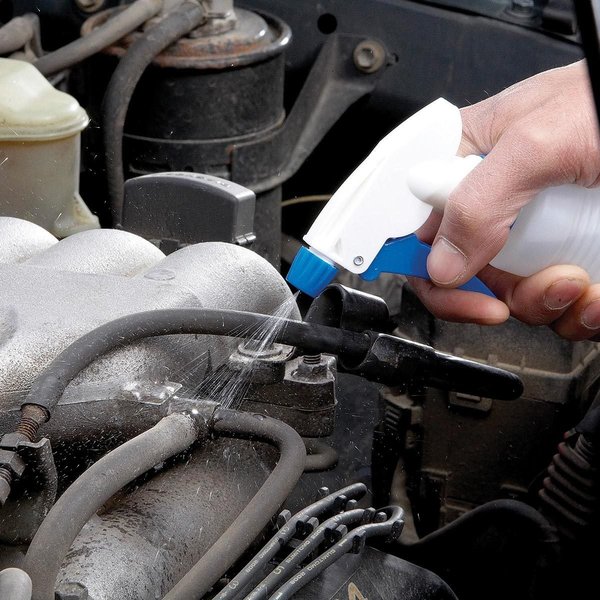
2. Spray Test (Use with Extreme Caution)
This method involves introducing a flammable substance near suspected leak points while the engine is idling. If the engine RPM temporarily increases or smooths out, it indicates the engine is sucking in the substance through a leak. WARNING: This method carries a significant fire risk if not performed correctly. Ensure proper ventilation, have a fire extinguisher nearby, and keep the spray away from hot exhaust components and open flames.
- Carburetor Cleaner / Brake Cleaner: Spray short bursts around vacuum lines, intake manifold gaskets, injector O-rings, and the PCV valve area.
- Propane (Unlit Torch): A safer alternative than highly volatile sprays. Slowly release unlit propane gas around suspected areas. If RPM changes, you've found a leak.
3. Smoke Machine Test (Most Effective)
This is considered the most reliable method for finding even small, hidden vacuum leaks. It requires specialized equipment but can often be rented or performed by a professional.
- How it Works: A smoke machine introduces non-toxic, visible smoke into the intake system (usually through a vacuum port or after the throttle body).
- Leak Detection: The smoke fills the intake system, and any leaks will become visible as plumes of smoke escaping from cracks, faulty gaskets, or loose connections.
- Preparation: Ensure the intake system is sealed, and temporarily block off components like the purge valve to isolate the intake tract.
4. Vacuum Gauge Test
While not pinpointing the exact location, a vacuum gauge can confirm the presence of a vacuum leak and help assess the overall health of the engine's vacuum system.
- Connect and Read: Connect the vacuum gauge to a reliable vacuum source on the intake manifold.
- Interpret Readings: A steady reading within the manufacturer's specifications (typically 18-22 inHg at idle) indicates a healthy system. A low or fluctuating reading can suggest a vacuum leak, worn engine components, or timing issues.
- Individual Component Testing: A hand-held vacuum pump can be used to test individual vacuum-operated components (e.g., EGR valve, vacuum actuators) or sections of vacuum lines to see if they hold vacuum.
5. Live Data Fuel Trim Observation
As mentioned in the diagnostic steps, observing fuel trims can guide your vacuum leak search:
- Idle vs. RPM: If your positive LTFT (for P0171) is high at idle but drops significantly when you raise the RPM to around 2500, this is a strong indicator of a vacuum leak. At higher RPMs, the engine pulls more air, making the impact of a small leak less pronounced.
- Pinching Hoses: While monitoring live fuel trims, carefully pinch off suspect vacuum hoses (if accessible and safe to do so). If the fuel trims temporarily move closer to zero, you've likely isolated the leaking hose.
Visually inspecting and gently wiggling hoses can sometimes reveal hidden vacuum leaks.
Fixing P0171 and P0172: Addressing the Root Causes
Once you've accurately diagnosed the root cause of your lean or rich condition, the repair process can begin. Remember, fixing the symptom (clearing the code) without addressing the cause will only lead to the code returning.
Fixes for Lean Conditions (P0171)
- Repair Vacuum Leaks: Replace cracked or brittle vacuum hoses, PCV valves, and associated grommets. Reseal or replace leaking intake manifold gaskets or throttle body gaskets. Replace a cracked intake boot.
- Clean/Replace MAF Sensor: If the MAF sensor is dirty, clean it with MAF sensor cleaner. If cleaning doesn't resolve the issue or the sensor is proven faulty, replace it with a quality OEM or aftermarket part.
- Address Fuel Delivery Issues:
- If fuel pressure is low, replace the fuel filter (if applicable) or the fuel pump.
- Clean or replace clogged fuel injectors. A professional ultrasonic cleaning can often save injectors.
- Repair Exhaust Leaks: Weld or replace sections of the exhaust system that are leaking before the upstream oxygen sensor.
- Replace Faulty Sensors: If diagnostic tests confirm a faulty oxygen sensor, MAP sensor, or ECT sensor, replace it.
Fixes for Rich Conditions (P0172)
- Replace Leaking Fuel Injectors: Inspect all injectors for leaks. Replace any that are dripping or stuck open.
- Correct High Fuel Pressure: If the fuel pressure is too high, replace the fuel pressure regulator. In some returnless fuel systems, this may involve checking the fuel pump module.
- Address EVAP System Issues: Replace a purge valve that is stuck open. Inspect the charcoal canister for signs of liquid fuel saturation.
- Replace Faulty ECT Sensor: If the Engine Coolant Temperature sensor is reporting an artificially low temperature, replace it.
- Clean/Replace MAF Sensor: If a dirty or faulty MAF sensor is over-reporting airflow, causing the PCM to inject too much fuel, clean or replace it.
- Replace Clogged Air Filter: A severely restricted air filter needs to be replaced.

A dirty or failing Mass Air Flow (MAF) sensor can cause both lean and rich conditions.
DIY vs. Professional Help: When to Call a Mechanic
Many of the diagnostic steps and basic repairs for P0171 and P0172 are achievable for an enthusiastic DIYer with the right tools and patience. However, there are situations where professional help becomes necessary or even advisable.
When to Consider DIY
- Obvious Vacuum Leaks: If a visual inspection or simple spray test immediately reveals a cracked hose or loose connection, replacing it is often straightforward.
- MAF Sensor Cleaning: Cleaning a dirty MAF sensor is a relatively easy and low-cost task.
- Basic Sensor Replacement: If definitive diagnostic tests point to a clearly faulty, easily accessible sensor (like an oxygen sensor or ECT sensor), replacing it might be within your capabilities.
- Fuel Filter Replacement: On many vehicles, replacing the fuel filter is a manageable DIY task.
When Professional Help is Recommended
- Complex Diagnostics: If you've performed basic checks and still can't pinpoint the problem, or if live data presents confusing patterns, a professional technician with advanced diagnostic equipment (e.g., smoke machines, oscilloscopes, advanced scan tools) can help.
- Internal Engine Issues: If the codes are accompanied by severe misfires, engine noises, or a suspicion of internal engine damage, professional intervention is critical.
- Fuel System Expertise: Issues involving fuel pumps, fuel pressure regulators, or difficult-to-access fuel injectors can be complex and require specialized tools and safety precautions.
- Lack of Tools or Experience: If you don't have the necessary diagnostic tools (like a quality scan tool or fuel pressure gauge) or lack confidence in working on specific systems, it's safer to consult a mechanic.
- Multiple Intermittent Codes: If you're getting a confusing array of intermittent codes, it often points to a deeper electrical or PCM issue that requires expert diagnosis.
Preventative Maintenance: Keeping Your AFR in Balance
Many P0171 and P0172 issues are preventable through regular maintenance and attentive driving habits. Proactive care can save you significant time, money, and headaches down the road.
Key Maintenance Practices
- Regular Air Filter Replacement: Follow your vehicle's maintenance schedule for air filter changes. A clean air filter ensures proper airflow and prevents rich conditions.
- Fuel System Maintenance: Replace the fuel filter according to schedule. Consider using a quality fuel system cleaner periodically to help prevent fuel injector clogging.
- Inspect Hoses and Gaskets: During routine oil changes or under-hood checks, visually inspect all vacuum hoses, PCV hoses, and intake connections for signs of wear, cracks, or looseness.
- Use Quality Fuel: Filling your tank with reputable, quality fuel can help keep fuel injectors clean and prevent deposits.
- MAF Sensor Cleaning: Consider a preventative MAF sensor cleaning every 30,000 to 50,000 miles, especially if you live in a dusty environment or use an aftermarket oiled air filter.
- Address Small Issues Promptly: Don't ignore subtle symptoms like a slightly rough idle or decreased fuel economy. These can be early indicators of developing air-fuel imbalances.
Driving Habits and Longevity
- Avoid "Band-Aid" Solutions: Never try to mask symptoms by simply clearing codes without addressing the underlying problem.
- Monitor Your Fuel Economy: A sudden or gradual drop in MPG can be an early warning sign of either a lean or rich condition.
- Regular Diagnostic Checks: Even if your check engine light isn't on, occasional monitoring of fuel trims with a basic OBD-II scanner can provide insight into your engine's health and catch minor deviations before they trigger a code.
Frequently Asked Questions (FAQ)
Conclusion
Encountering P0171 or P0172 codes can be concerning, but they are highly common and, with a methodical approach, often diagnosable and repairable. These codes are your vehicle's way of telling you its air-fuel mixture is imbalanced, whether it's running too lean (too much air, not enough fuel) or too rich (too much fuel, not enough air).
By understanding the symptoms, systematically analyzing live data from an OBD-II scanner—especially fuel trims—and mastering vacuum leak detection techniques, you can effectively pinpoint the root cause. Remember to always start with the simplest and most common culprits, such as visual inspections for vacuum leaks, before moving to more complex components like fuel pumps or sensors.
Addressing these issues promptly is not just about turning off a check engine light; it's about preserving your engine's longevity, maintaining optimal performance, ensuring good fuel economy, and protecting expensive emissions components like the catalytic converter. Whether you tackle the repair yourself or seek professional assistance, a solid understanding of P0171 and P0172 empowers you to make informed decisions for your vehicle's health.
